Chakras and Reiki: A Beginner's Guide
What the seven chakras are in traditional teaching, and how Reiki is used to work with them
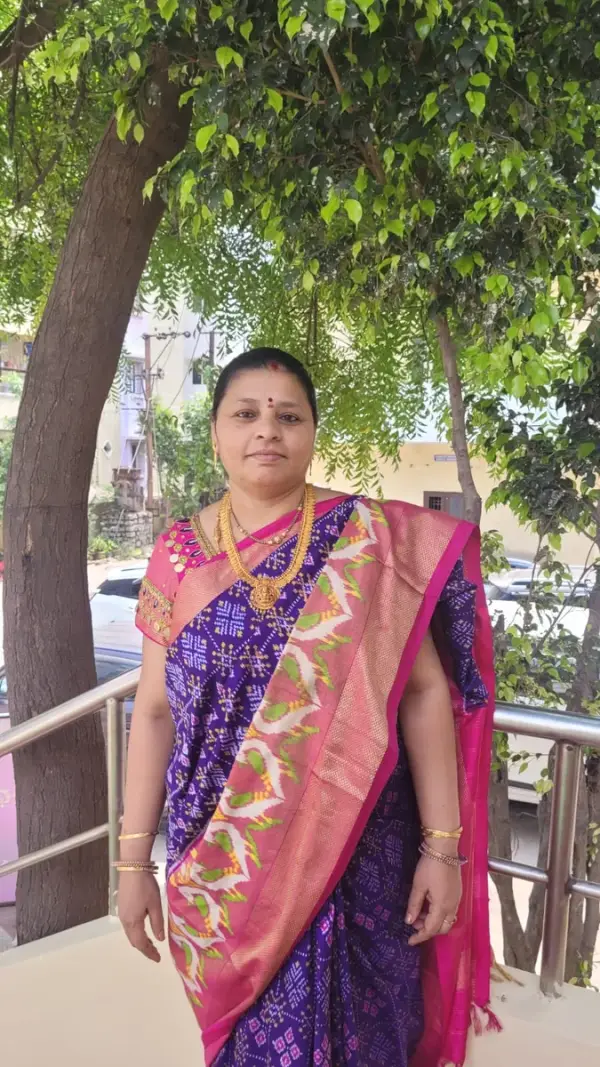
From Grandmaster Srilatha's Practice
“In over five years of practice in Hyderabad, I have noticed that people often sense something is ‘off’ before they can put it into words. A tight throat before speaking up. A heavy chest after a loss. In Reiki we connect feelings like these with the chakras, and this guide explains how I think about them in my online sessions.”
An Imbalance That's Hard to Explain
It might be a nagging insecurity, trouble expressing yourself, or simply less joy than usual. Your health checks are fine, yet something feels out of step.
Yogic and Reiki traditions link this to the energy system. They describe energy centres called chakras along the body. When the chakras are balanced, life is said to flow more easily. When they are blocked, things feel harder.
Where Chakras Come From
Chakras come from yogic and Ayurvedic traditions that go back thousands of years. It's worth being clear that chakras are a spiritual framework rather than a scientifically established anatomy—though it's often noted that their locations sit close to major nerve plexuses and endocrine glands described in traditional chakra theory and Ayurvedic teachings.
A Traditional Map of the Body
In classical teaching, the seven chakras are positioned along the spine near major nerve centres and glands. It is a symbolic map practitioners use to focus attention, not a proven physiological system.
In the Old Texts
Healthline notes that chakras were first mentioned in the Vedas and are thought of as spinning disks of energy linked to emotional and physical well-being.
The Seven Main Chakras
In traditional teaching, the chakras run from the base of the spine to the crown of the head. Each one is linked with particular physical, emotional and spiritual themes.
1. Root Chakra (Muladhara)
Security and Grounding
Location: Base of the spine / Gland: Adrenals
Linked with: Feeling safe, stability and basic needs.
When Balanced: Grounded and secure.
2. Sacral Chakra (Svadhisthana)
Creativity and Emotion
Location: Lower abdomen / Gland: Reproductive organs
Linked with: Pleasure, creativity, sexuality and emotions.
When Balanced: Creative and able to enjoy life.
3. Solar Plexus (Manipura)
Confidence
Location: Upper abdomen / Gland: Pancreas
Linked with: Self-esteem, willpower and confidence. See Reiki for Success.
When Balanced: Confident and able to act on your goals.
4. Heart Chakra (Anahata)
Love and Compassion
Location: Centre of chest / Gland: Thymus
Linked with: Love, compassion, forgiveness and connection. Read about Relationship Healing.
When Balanced: Able to give and receive love.
5. Throat Chakra (Vishuddha)
Communication
Location: Throat / Gland: Thyroid
Linked with: Self-expression and saying what you mean.
When Balanced: Speaks clearly and listens well.
6. Third Eye (Ajna)
Intuition
Location: Between eyebrows / Gland: Pituitary
Linked with: Intuition, insight and imagination.
When Balanced: Able to see the bigger picture.
7. Crown Chakra (Sahasrara)
Spirituality
Location: Top of head / Gland: Pineal
Linked with: Connection to the divine and higher awareness.
When Balanced: Spiritually connected, with a sense of purpose.
Balanced and Blocked Chakras, as Traditionally Described
When the chakras are balanced
- You feel grounded and secure.
- You feel your emotions without being overwhelmed.
- You say what you mean with ease.
- You feel close to the people around you.
- Life feels broadly on track.
When the chakras are blocked
- You feel anxious, insecure, or financially stressed.
- You feel emotionally stuck or numb.
- You struggle to express yourself or feel unheard.
- You feel isolated, lonely, or resentful.
- Life feels like a constant struggle.
How Reiki Is Used for Chakra Balancing
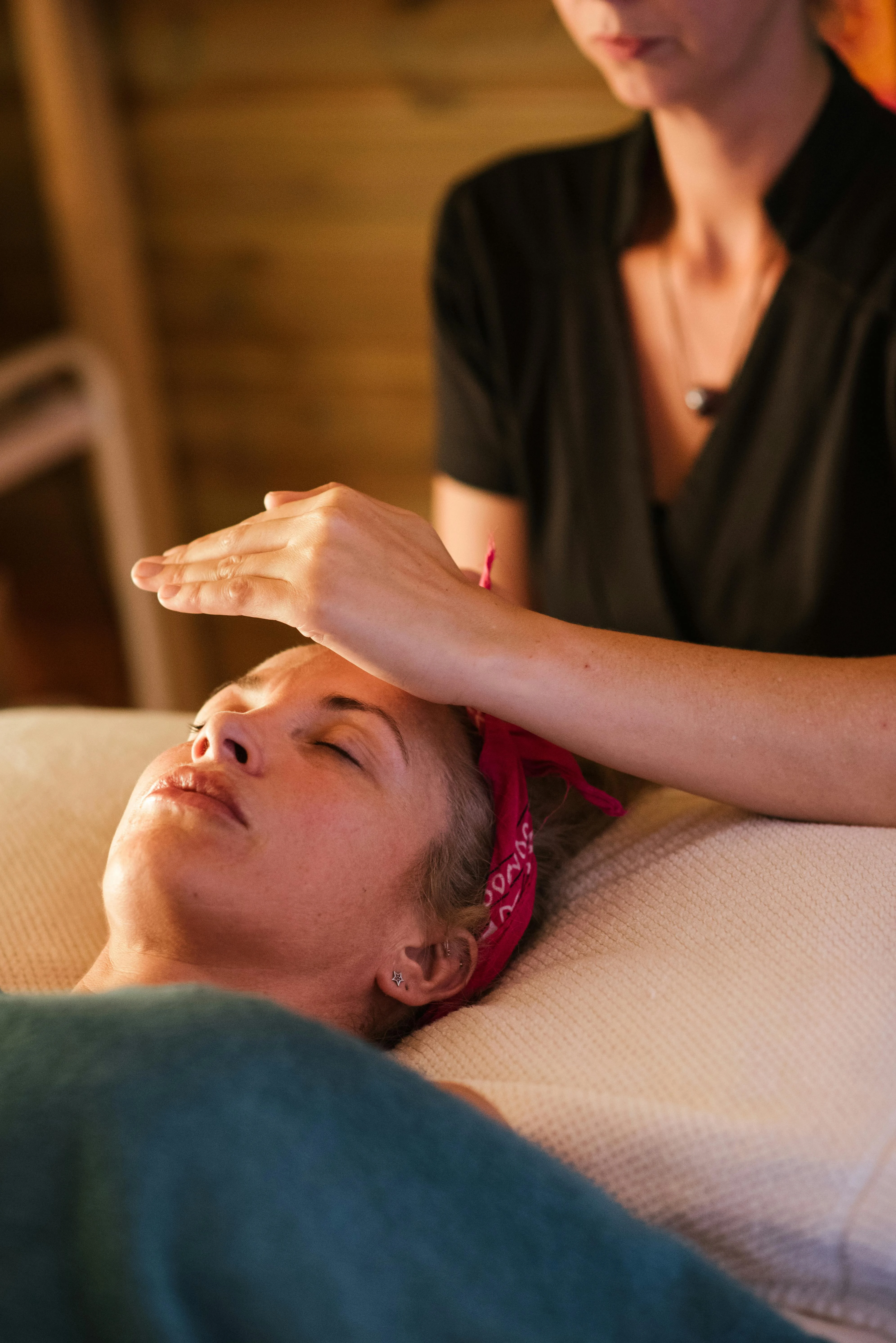
In the Reiki tradition, the energy is said to go where it is most needed, which is why many practitioners use it for chakra work.
Easing Old Tension
Practitioners describe Reiki as easing the heavy, stuck energy that stress, fear and old hurts are thought to leave in the chakras.
Balancing the Flow
The aim is to calm overactive chakras and bring energy to underactive ones. Clients often say they feel less reactive, or a little more confident, afterwards.
Looking at the Whole Person
The idea in Reiki is that when the chakras are in balance, mind, body and spirit settle into a more natural state of well-being.
Looking After Your Chakras
Caring for your energy system is a simple kind of self-care, and one that fits into a busy Hyderabad life.
You don't need to change everything at once. A short daily practice, with sessions when you need them, is a good place to start.
Book a Chakra Balancing Session
Sessions with Grandmaster Srilatha are held online. Start with a free consultation on WhatsApp or phone.
A Simple Chakra Visualisation
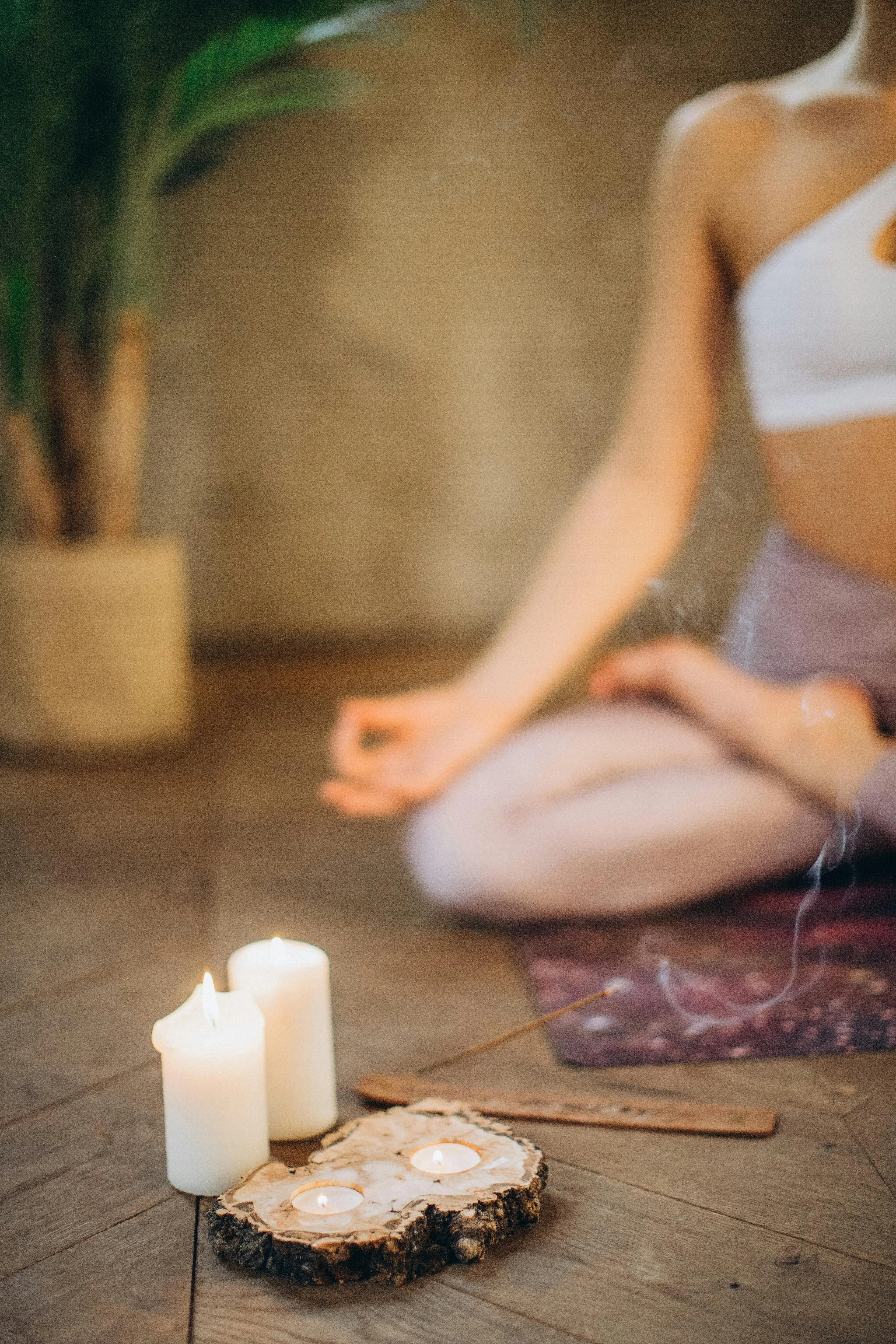
Between sessions, you can try this short visualisation at home. It draws on meditation, which has been studied for stress and anxiety, as summarised by the NCCIH.
- 1. Find a quiet spot where you won't be disturbed for 10-15 minutes.
- 2. Sit comfortably with your spine straight, feet on the ground and hands resting in your lap.
- 3. Close your eyes and take a few slow, deep breaths.
- 4. Start at the root chakra. Picture a wheel of red light turning at the base of your spine.
- 5. Move up through each chakra in turn, picturing its colour: orange (sacral), yellow (solar plexus), green (heart), blue (throat), indigo (third eye) and violet (crown).
- 6. At each one, you can say quietly: "This energy centre is balanced and clear."
- 7. Finish by picturing all seven chakras together, joined by a column of white light.
Further Reading on Chakras and Reiki:
If you have questions about chakras or Reiki, Grandmaster Srilatha is happy to answer them.