Tarot 101: A Beginner's Guide
What to know before your first Tarot reading in Hyderabad
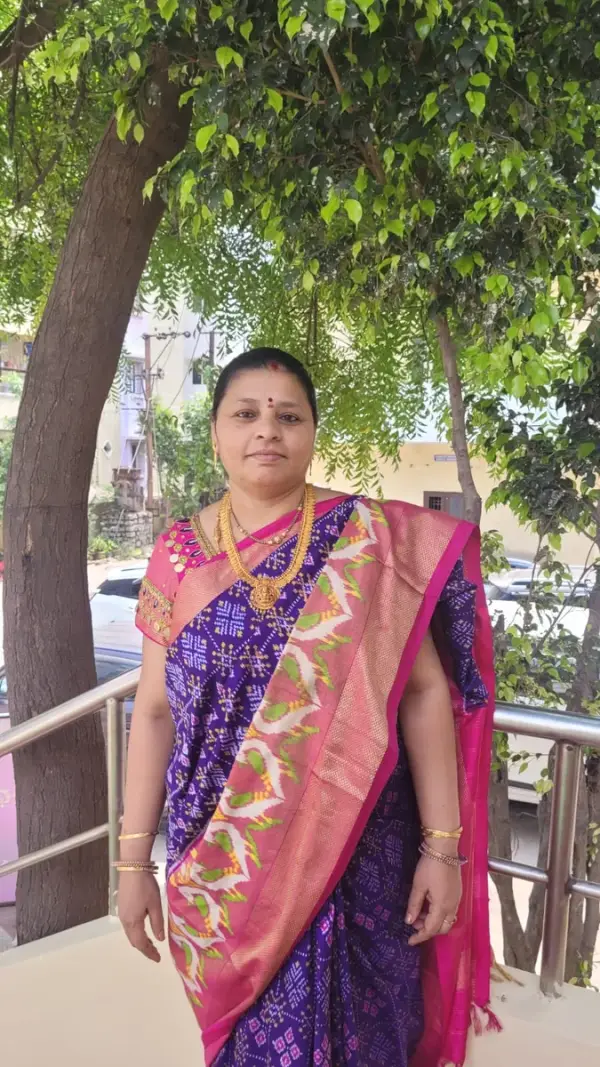
A Note from Grandmaster Srilatha
“The most common worry I hear from people new to Tarot is that the cards will predict something terrible. That isn't how I use them. To me, Tarot is a mirror for what you already sense. This guide is how I explain the cards to first-time clients: gently, and as a way to find clarity rather than to frighten anyone.”
Isn't Tarot Just Fortune Telling?
You might be curious about Tarot without knowing what to make of it. Perhaps you've seen the imagery and wondered whether there's anything in it, or a friend swears by their readings. Tarot is more practical than its reputation suggests.
What Tarot is: A set of symbolic cards going back around 600 years, which many people use to reflect on their situation and listen to their own intuition. It's a tool for self-reflection and clearer thinking, not a fixed prediction.
Where Did Tarot Come From?
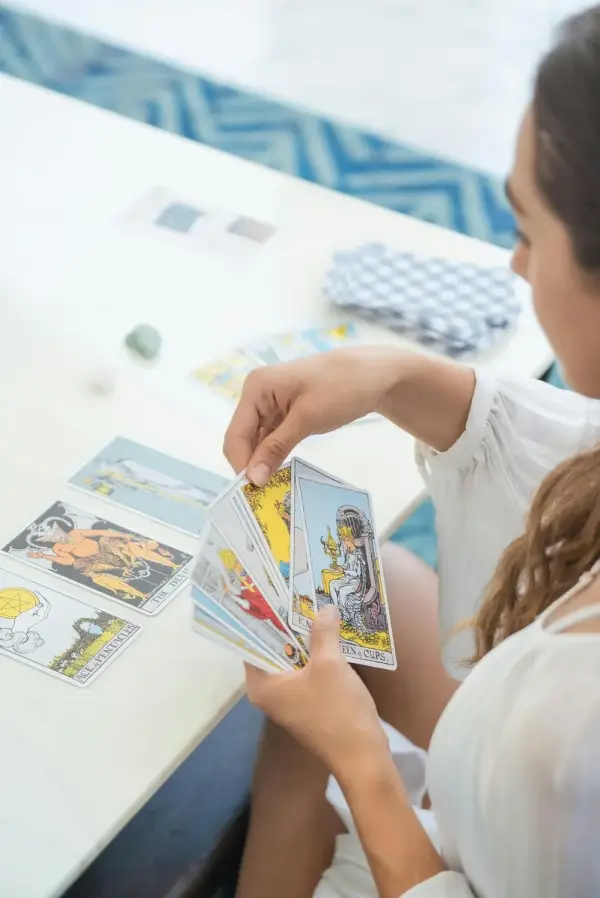
Tarot cards first appeared in 15th-century Europe as playing cards for games. By the 18th century they were being used for divination, with each of the 78 cards carrying its own symbolic meaning. According to Britannica's historical account, the deck as we know it today took shape through centuries of esoteric tradition.
How the Deck Is Made Up
- 22 Major Arcana: life's big themes and lessons (The Fool, The Magician, The High Priestess and so on)
- 56 Minor Arcana: day-to-day experiences, in four suits (Wands, Cups, Swords, Pentacles)
Where the Imagery Comes From
The pictures draw on mythology, astrology, numerology and the Kabbalah, which gives the cards a shared visual language that people from many cultures can relate to.
How Does a Tarot Reading Work?
Archetypes and the Subconscious
Many modern readers draw on psychologist Carl Jung's idea of universal archetypes, the recurring patterns and images in the human psyche, and see the Tarot's imagery in that light. A card can bring up thoughts or feelings you hadn't quite put into words.
Used this way, Tarot is a reflective tool for looking at what is going on inside you.
Synchronicity
Jung also introduced the idea of synchronicity: meaningful coincidences that seem to point to a deeper pattern. In Tarot practice, the cards drawn are seen as reflecting your current situation and question.
The HeartMath Institute has published studies suggesting the body may respond to some events before the conscious mind registers them, an area of research that is still debated. In Tarot, the cards act as a prompt for that kind of intuitive knowing.
The Reader's Role
A reader does more than recite card meanings. Grandmaster Srilatha is a Reiki Grandmaster (Level 21) with over five years of practice, and she brings her intuition to each reading so the guidance fits your situation rather than a textbook definition.
What Tarot Can and Cannot Do
Tarot can
- Bring hidden influences and habits of thought to the surface
- Show where your current path seems to be heading
- Offer another way of looking at a situation
- Help you make decisions you feel sure of
- Bring some clarity to confusing feelings and relationships
- Give a sense of timing and possible outcomes
Tarot cannot
- Predict a fixed, unchangeable future
- Make decisions for you
- Give medical, legal or financial advice
- Force outcomes or control other people
- Give you lottery numbers or guarantee wins
- Replace professional therapy or medical care
Tarot shows possibilities based on where things stand now. You are always free to change course.
The Major and Minor Arcana
The Major Arcana (0–21)
These 22 cards deal with life's big themes, lessons and turning points. A few examples:
0 - The Fool:
New beginnings, innocence, taking a leap of faith
1 - The Magician:
Manifestation, power, taking action
2 - The High Priestess:
Intuition, mystery, inner wisdom
13 - Death:
Change, and endings that make room for something new (not literal death)
16 - The Tower:
Sudden change, revelation, breaking down old structures
21 - The World:
Completion, achievement, wholeness
The Minor Arcana (56 cards)
These cards cover everyday experiences, across four suits:
Wands (Fire)
Themes: Passion, creativity, action, ambition
Career, projects, inspiration, growth
Cups (Water)
Themes: Emotions, relationships, intuition
Love, feelings, connections, dreams
Swords (Air)
Themes: Mind, thoughts, communication, conflict
Ideas, decisions, truth, challenges
Pentacles (Earth)
Themes: Material world, money, health, security
Finances, career, physical health, resources
How to Prepare for Your First Tarot Reading
Before the reading
- Write down your questions, or the areas you'd like guidance on
- Phrase questions as "What..." or "How..." rather than yes/no
- Think about what you'd like to come away with
- Come with an open mind
- Avoid alcohol beforehand
During the reading
- Be honest
- Ask if anything isn't clear
- Take notes if you like
- Notice what feels true to you
- Remember the cards offer guidance, not orders
Asking better questions
Instead of:
"Will I get the job?"
Ask:
"What should I know about this job opportunity?"
Instead of:
"Does he love me?"
Ask:
"What do I need to understand about this relationship?"
Common Tarot Myths
Myth: "The Death card means someone will die"
Truth: The Death card stands for change, and for endings that make way for something new. It isn't read as a prediction of literal death, and it often turns up when someone is ready to move on from something.
Myth: "Tarot is evil or demonic"
Truth: Tarot is a neutral tool for reflection and intuition, with no "dark power" of its own. Like any tool, it depends on the intention of the person using it. Grandmaster Srilatha approaches every reading with care and honesty.
Myth: "Only psychics can read Tarot"
Truth: Anyone can learn the basic card meanings. An experienced reader adds intuition and context. Grandmaster Srilatha brings over five years of spiritual practice as a Reiki Grandmaster to her readings.
Myth: "Tarot tells you exactly what will happen"
Truth: Tarot shows possible outcomes based on your current path. You can always make different choices. It's a guide, not an instruction.
Booking Your First Reading
If you'd like to try a reading, Grandmaster Srilatha offers Tarot alongside her Reiki work. It starts with a free consultation on WhatsApp or phone, where you can ask questions and agree the timing and price.
Bring your questions and an open mind. That is all you need.
Book Your First Tarot Reading in Hyderabad
A calm, practical reading to help you think things through.
Learn More About Tarot:
Have a question about Tarot? Grandmaster Srilatha is happy to help.